Florida Insurance Basics
Does Florida Require Bodily Injury Coverage?
For most Florida drivers, the answer is no, and that's exactly the problem. Florida is one of the few states that doesn't require Bodily Injury Liability.

Eddie Ezekiel
Jul 16, 2026 · 4 Min Read · Updated Oct 14, 2026

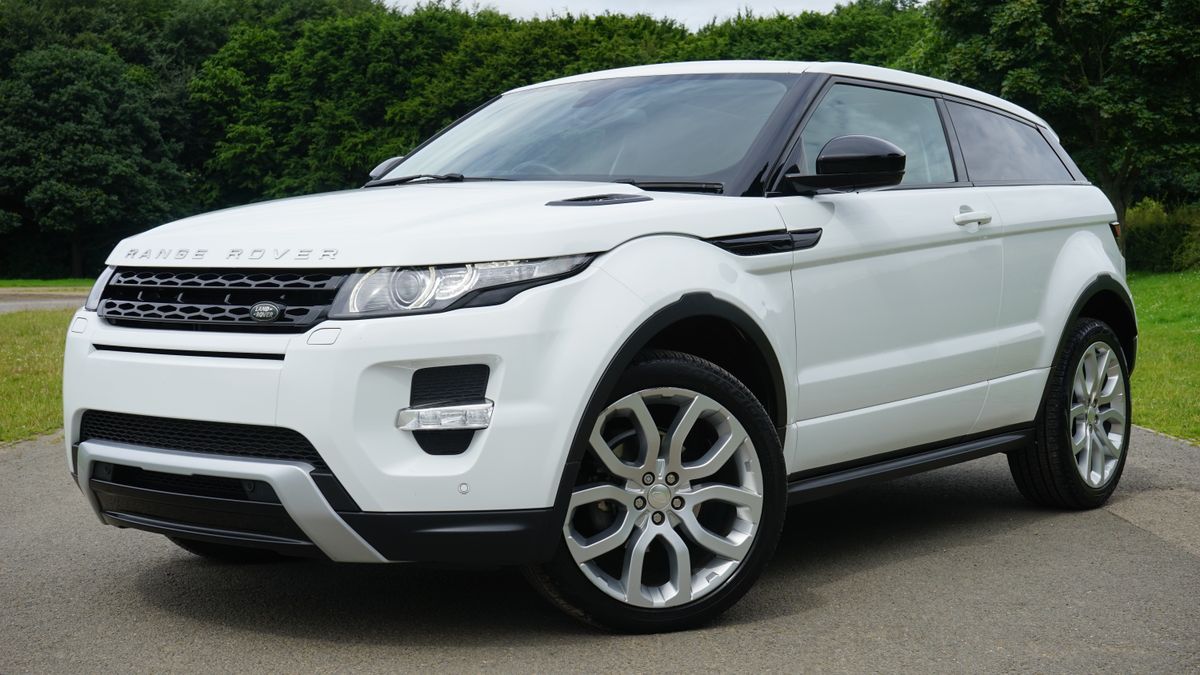
Image Credit · Photo by cottonbro studio on Pexels
On This Page
Short answer. For most Florida drivers, no. Florida is one of the very few states that does not require Bodily Injury Liability (BIL), the coverage that pays for injuries you cause to other people. You can legally drive here carrying only PIP and PDL, and millions do. But 'not required' is not the same as 'not needed.' Skipping BIL is the single largest gap in Florida's insurance minimum, and it puts everything you own on the line.
What Florida Actually Requires
To register a car in Florida you need $10,000 in Personal Injury Protection and $10,000 in Property Damage Liability (FLHSMV). That is it. Look closely at what that covers. PIP handles your own injuries, and PDL covers damage you cause to other people's property. Neither one pays a cent for injuries you cause to other people, which is exactly what bodily-injury liability is for.
When Florida DOES Require It
The 'not required' rule has real exceptions. Certain drivers must carry bodily-injury liability as a condition of keeping their license.
| Situation | BIL requirement |
|---|---|
| After a DUI conviction (FR-44) | $100,000 per person / $300,000 per crash, plus $50,000 PDL |
| Certain violations or lapses (SR-22) | Financial-responsibility limits including BIL |
| After an at-fault crash while uninsured | Proof of financial responsibility, including BIL |
| Most everyday drivers | None required (but strongly recommended) |
The FR-44 is the strictest of these by a wide margin. It demands limits far above what most drivers voluntarily carry, and it has to stay in place for years. If that is your situation, see our guide to FR-44 filing.
What You're Actually Risking
Without BIL, an injury you cause becomes a personal debt. The injured person can pursue you directly, and a serious injury claim can run into six figures between surgery, rehabilitation, and lost income. The average bodily-injury liability claim is already about $26,501, and severe crashes go far higher. What is exposed is everything you own. Savings, wages, even your home, since Florida's financial-responsibility law can suspend your license until you pay or settle.
How Much Should You Carry?
Since the state sets no floor for BIL, the choice is yours. A useful way to think about it. Carry enough to protect what you own, because that is what a lawsuit reaches. Rough guidance.
| Level | BIL limits | Best for |
|---|---|---|
| Florida minimum | None (not required) | No one with assets to protect |
| Bare improvement | 25/50 | A first step up from nothing |
| Solid | 50/100 | Many everyday drivers |
| Recommended | 100/300 | Protecting real assets; matches the FR-44 level |
The Other Side of the Same Coin
There is a reason this matters even if you are a cautious driver. Everyone else can skip it too. Since BIL is not mandatory here, the driver who hits you may have no coverage for your injuries, and roughly one in five Florida drivers is uninsured. That is exactly what uninsured/underinsured motorist (UM/UIM) coverage is for. In a state where the required minimum is this thin on both sides, UM/UIM is close to essential.
Frequently Asked Questions
Is Bodily Injury Coverage Required in Florida?
What Happens if I Cause an Injury Without BIL?
How Much Bodily Injury Liability Should I Carry?
How Do I Protect Myself from Uninsured Drivers?
Florida does not require bodily-injury liability from most drivers, and that is a quirk of our law, not a signal that you do not need it. The required $10,000 PIP and $10,000 PDL leave the injuries you might cause completely uncovered, and the average claim already runs past $26,000. Carry real BIL, ideally 100/300, add UM/UIM for the uninsured drivers all around you, and you turn Florida's dangerously thin minimum into coverage that actually protects what you have built. It is the biggest hole in what Florida actually requires, worth understanding in full.
Last Updated · Oct 14, 2026
Sources & References
We cite Florida statutes, the FLHSMV, and industry bodies like the Insurance Information Institute. How we research and maintain these guides. Spotted an error? Tell us.
About the Author
Eddie Ezekiel
Eddie Ezekiel is a product and data specialist who builds digital tools for the insurance industry, including the website of Golden Eagle, an established insurance and financial-services firm. He founded FloRider to translate Florida's confusing car-insurance rules into plain English, with every claim traced back to primary sources like the FLHSMV.
Keep Reading