Coverage Explained
What Full Coverage Means in Florida
'Full coverage' isn't a real policy or a legal term. It's slang for a bundle, and it doesn't cover everything.

Eddie Ezekiel
Jul 16, 2026 · 4 Min Read · Updated Oct 14, 2026

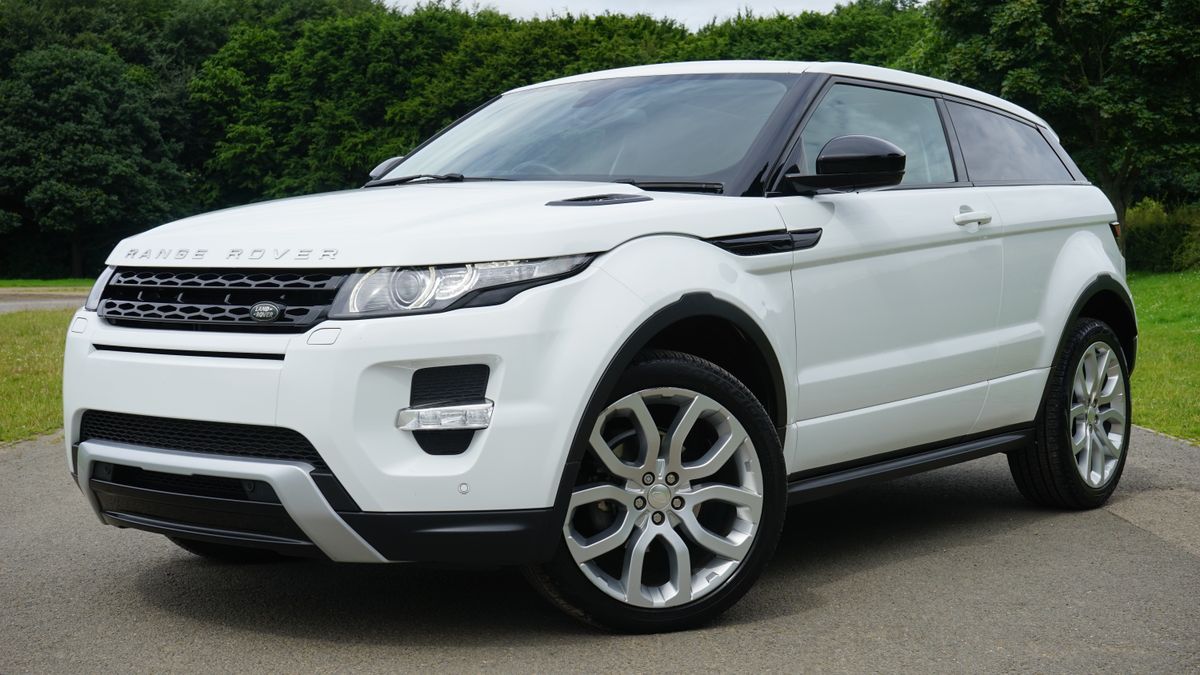
Image Credit · Photo by Mikhail Nilov on Pexels
On This Page
Ask three Florida drivers what 'full coverage' means and you will get three answers. That is because it is not a real thing. There is no policy called full coverage, no legal definition of it, and no box an insurer ticks to give you 'everything.' It is useful shorthand and a terrible promise.
What People Actually Mean by It
When a Florida agent or a lender says 'full coverage,' they almost always mean your state-required minimum plus the two coverages that protect your own car. Put simply, it is the legally mandated floor with physical-damage coverage added on top.
| Coverage | What it does | Required? |
|---|---|---|
| PIP ($10,000) | Your injury bills and lost wages, regardless of fault | Yes |
| PDL ($10,000) | Damage you cause to someone else's property | Yes |
| Collision | Your car's damage in a crash, regardless of fault | No (lender may require) |
| Comprehensive | Non-crash damage: theft, weather, fire, vandalism | No (lender may require) |
| Bodily Injury Liability | Injuries you cause to others | No, and often left thin |
What Full Coverage Costs vs the Minimum
The gap between minimum and full coverage is real money. In Florida, per Bankrate, full coverage averages about $4,171 a year, the highest of any state, while bare state-minimum coverage runs closer to $1,100. That difference is the price of protecting your own car against crashes, theft, and weather, which is worth it on a valuable car and questionable on an old one.
What 'Full Coverage' Does NOT Include
People hear 'full' and assume they are bulletproof. They are not. These are all separate, and none come automatically.
- Gap insurance, which covers the difference if you owe more than the car is worth after a total loss.
- Rental reimbursement, for a car while yours is in the shop.
- Roadside assistance and towing.
- Strong bodily-injury liability, which Florida does not require and which is often left thin.
- Custom parts and equipment coverage for aftermarket modifications.

Image Credit · Photo by Selvin Esteban on Pexels
When You Don't Have a Choice
If your car is financed or leased, the decision is made for you. Lenders and leasing companies require comprehensive and collision for the whole term, because the car is their collateral until you own it outright. You cannot legally drop full coverage while there is a loan on the car, so on a financed vehicle, 'do I need full coverage' is really 'how do I get it as cheaply as possible.'
When It Stops Being Worth It
Once you own the car outright, it becomes a math question. Comprehensive and collision only ever pay out up to your car's actual cash value, minus your deductible. On a car worth $2,500 with a $1,000 deductible, the most you could ever collect is $1,500, and a common rule of thumb is to consider dropping full coverage once the annual premium climbs past about 10% of the car's value. At that point you are paying a lot to protect a little.
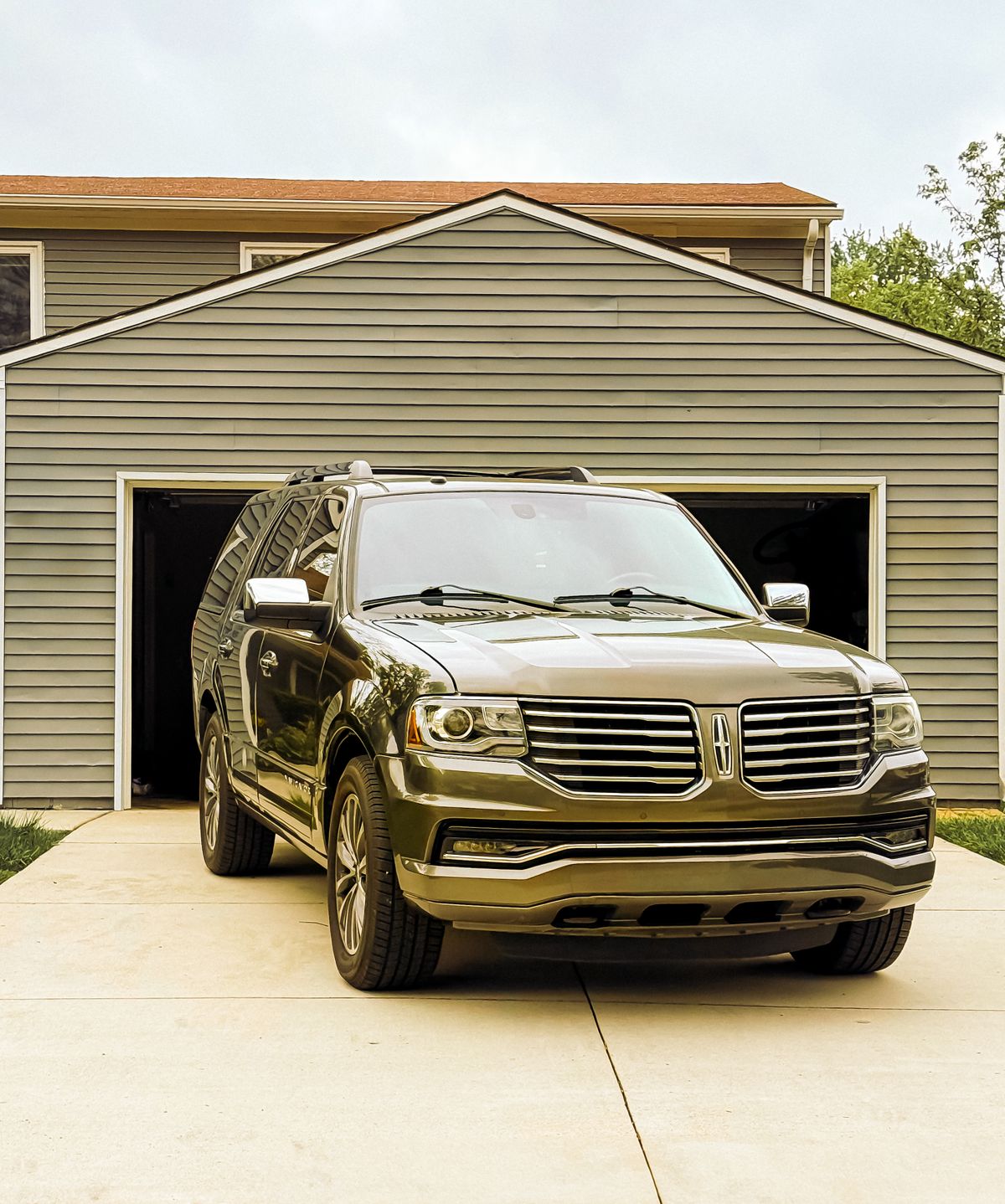
Image Credit · Photo by Hussein Altameemi on Pexels
A Florida-Specific Wrinkle, Weather
One reason 'full coverage' carries more weight here than in most states is comprehensive. It is the piece that pays for hurricane, flood, and hail damage to your car, and Florida delivers all three. If you drop comprehensive to save money, you also drop your only protection against a storm totaling your car, a real and recurring risk here. Weigh that before trimming coverage on a car you would need to replace.
Frequently Asked Questions
What Does Full Coverage Mean in Florida?
How Much More Is Full Coverage than the Minimum?
Do I Have to Carry Full Coverage?
When Should I Drop Full Coverage?
'Full coverage' is a useful shorthand and a terrible promise. In Florida it usually means your required PIP and PDL plus comprehensive and collision, which is genuinely worth having on a car with real value, especially given the state's weather risk. But it does not cover everything, it often skimps on the bodily-injury liability that protects your assets, and it stops making sense on a low-value car. Know what is actually in your bundle, keep your liability strong, and let your car's value, not the label, decide the rest.
Last Updated · Oct 14, 2026
Sources & References
We cite Florida statutes, the FLHSMV, and industry bodies like the Insurance Information Institute. How we research and maintain these guides. Spotted an error? Tell us.
About the Author
Eddie Ezekiel
Eddie Ezekiel is a product and data specialist who builds digital tools for the insurance industry, including the website of Golden Eagle, an established insurance and financial-services firm. He founded FloRider to translate Florida's confusing car-insurance rules into plain English, with every claim traced back to primary sources like the FLHSMV.
Keep Reading