What Happens If You Get in an Accident Without Insurance in Florida
Crashing without insurance in Florida sets off a chain of consequences: a suspended license, out-of-pocket bills, personal lawsuit exposure, and years of extra requirements. Here's exactly what happens and how to dig out.

Eddie Ezekiel
Published Jul 28, 2026 · 4 min read
Updated Jul 28, 2026
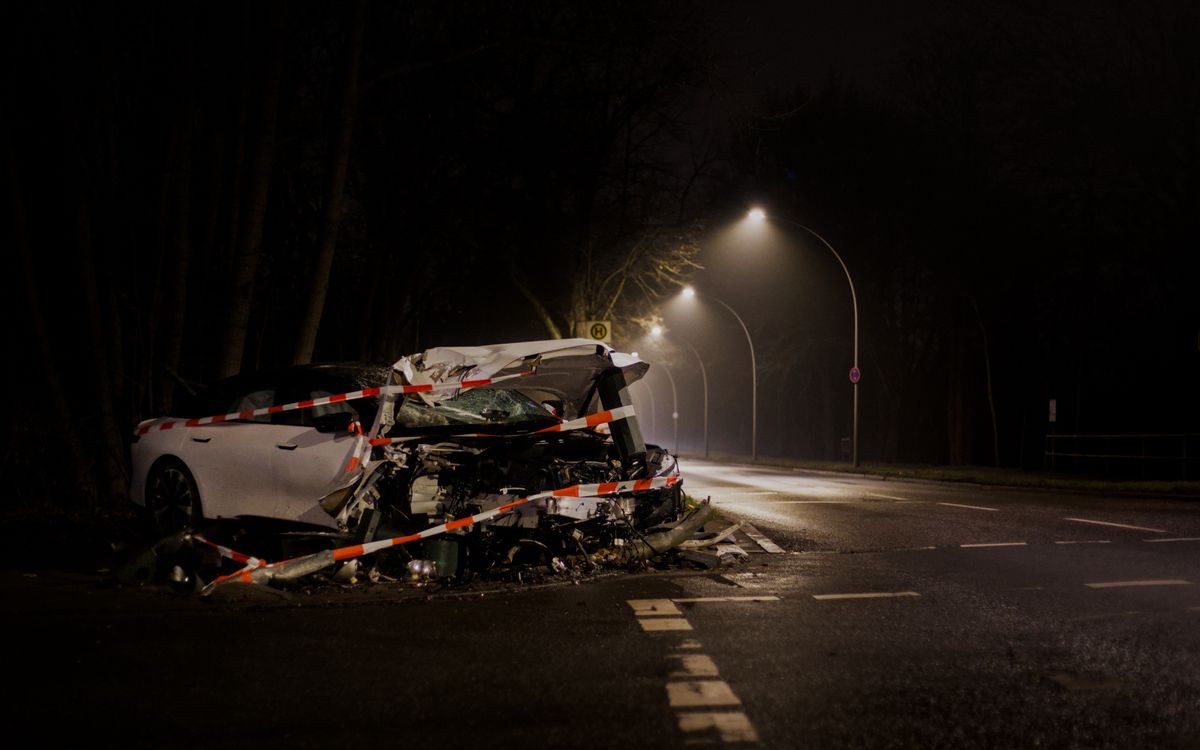
Image credit: Photo by domsson on Pexels
An accident is stressful enough. Having one while uninsured in Florida turns a bad day into a chain of problems that can follow you for years. The state treats a crash without coverage very differently from a routine ticket, and the consequences stack: your license, your bank account, and your future insurance costs all take a hit at once. Here's exactly what happens if you're in a crash without insurance in Florida, and how people dig their way back out.
The immediate hit: suspension
Florida's financial responsibility law is built around exactly this situation. If you're involved in a crash without the required coverage, the state can suspend your driver license, your registration, and your plates. Reinstating them means proving you now carry insurance and paying a reinstatement fee that starts around $150 and climbs toward $500 for repeat offenses. Until you do, you're not legally driving, and driving on that suspended license is itself a criminal offense, which only deepens the hole.
You pay for everything yourself
This is where being uninsured really bites, because the coverage you skipped was doing several jobs at once:
- Your own injuries. Without PIP, there's no coverage paying your medical bills or lost wages. That's all on you.
- The other party's property. Without PDL, you personally owe for the car or property you damaged.
- The other party's injuries. If you're at fault, those costs come straight out of your pocket, and serious injuries run into six figures.
- Your own car. No collision or comprehensive means no payout to repair or replace your vehicle.
The lawsuit exposure
If you caused the crash and injured someone, they can pursue you directly, and being uninsured doesn't make that liability go away. A judgment against you can reach your savings and, through wage garnishment, your future income. People often assume they have nothing worth taking, but garnishment doesn't require wealth, only income. This is the same exposure that makes carrying Bodily Injury Liability so important even though Florida doesn't require it for most drivers.
If the other driver was at fault
Being uninsured doesn't erase your right to recover from an at-fault driver, but it puts you in a weak spot. You'll be dealing with their insurer with no coverage of your own to lean on, no PIP to pay your medical bills up front while things get sorted, and the added complication of your own uninsured status and the penalties that come with it. Even when you're not the one who caused the crash, showing up uninsured makes everything harder and slower.
The long tail: financial responsibility filings
The reinstatement fee isn't the end of it. After an uninsured at-fault crash, Florida can require you to carry higher coverage and file proof of financial responsibility, and that obligation can last for years. That's more paperwork, higher premiums, and a harder time shopping for insurance, because you're now flagged as high risk. In practice, the moment of going without coverage can cost you far more in the years after the crash than it ever saved you before it.
How to dig out
- Get insured immediately. You can't reinstate anything without proof of active coverage.
- Pay the reinstatement fees and satisfy any state requirements to lift the suspension.
- File any required proof of financial responsibility, and keep it active for as long as the state requires.
- Don't drive until you're reinstated, since driving on a suspended license is a criminal charge that makes everything worse.
- Shop carefully, because your rates will be higher for a while and comparison matters even more now.
Frequently asked questions
What happens if I get in an accident without insurance in Florida?
Will my license be suspended after an uninsured crash?
Can I be sued if I cause a crash with no insurance?
Can I still recover if the other driver caused it?
How do I get my license back after an uninsured accident?
The bottom line
An uninsured crash in Florida isn't one penalty, it's a cascade: suspended license and registration, out-of-pocket bills for injuries and damage, personal lawsuit exposure, and years of financial responsibility filings that raise your rates and limit your options. The state's required minimum is cheap by comparison, and it exists to keep exactly this from happening. If you're currently uninsured, the most valuable move you can make is to fix that before a bad day turns into a bad decade.
Last updated: Jul 28, 2026
Sources & references
We cite Florida statutes, the FLHSMV, and industry bodies like the Insurance Information Institute. How we research and maintain these guides. Spotted an error? Tell us.
About the author
Eddie Ezekiel
Tech enthusiast who has been helping digitize insurance information. From insurance websites to information drives and sales pitch engineering, I've been around the insurance space for the last 7 years in some capacity.
Related reads

Car Insurance Requirements for Dealership Test Drives
Do you need your own insurance to test drive a car at a Florida dealership? Usually not, because the dealer's policy covers it. But a private-party test drive is a different story. Here's who's actually covered when you take the wheel.
Can You Register a Car in Florida Without a License?
Yes, you can register a car in Florida without a driver license. What you can't skip is the insurance. Here's exactly what Florida requires, the insurance catch that trips people up, and why registering isn't the same as being allowed to drive.

Does Florida Require Bodily Injury Coverage?
For most Florida drivers, the answer is no, and that's exactly the problem. Florida is one of the few states that doesn't require Bodily Injury Liability. Here's when it IS required, and why skipping it puts everything you own at risk.