Best Insurance Companies for Rural Areas
Insuring a car in rural Florida is a different game than in Miami or Tampa: often cheaper, but with trade-offs like fewer agents, longer tows, and real wildlife risk. We cover what makes an insurer good for rural Florida, the deer-collision numbers, and how to compare.

Eddie Ezekiel
Published May 12, 2026 · 4 min read
Updated Sep 16, 2026
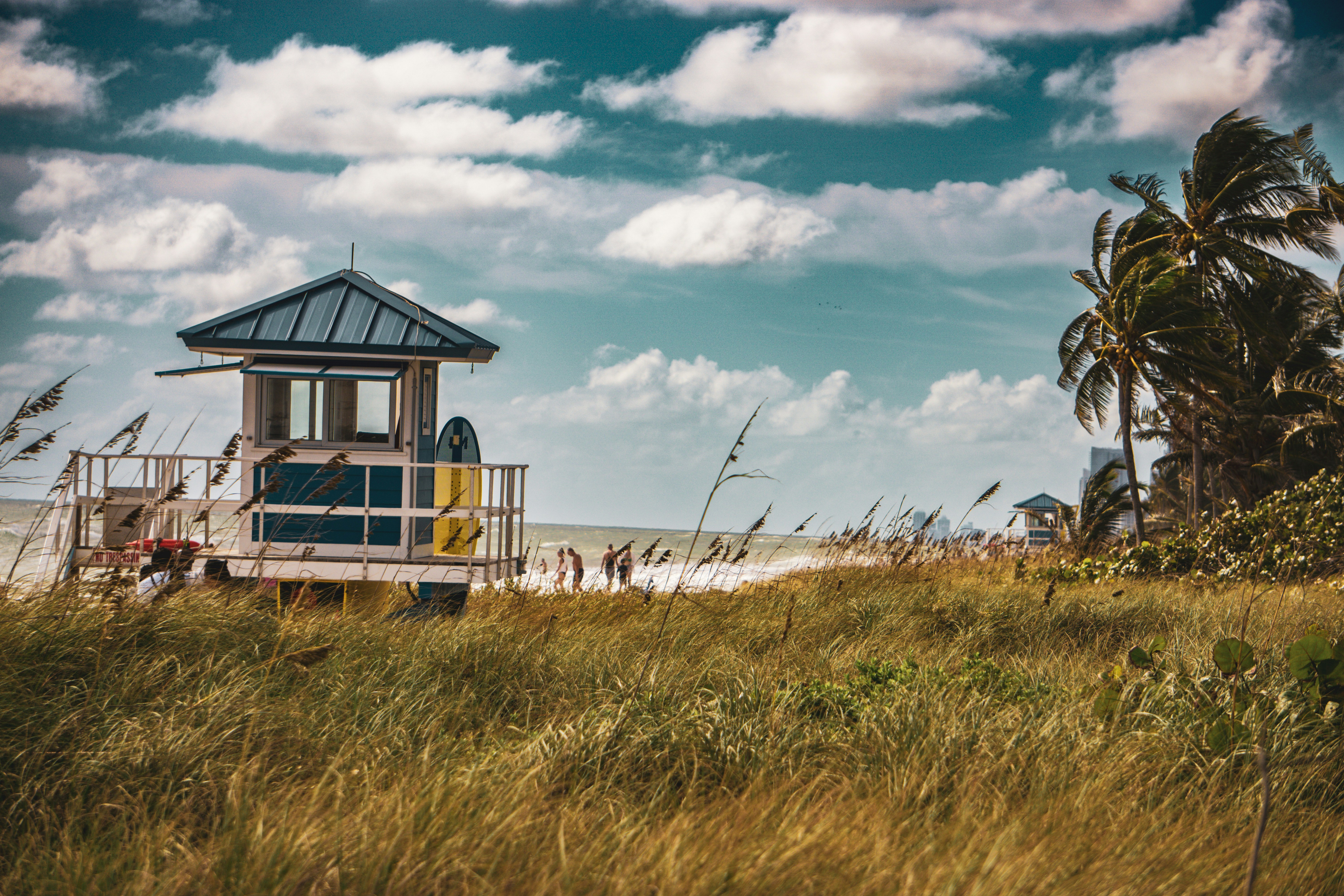
Image credit: Photo by Randolph Rojas on Unsplash
Insuring a car in rural Florida is a different game than in Miami or Tampa. Rates are often lower, but you trade a few things for that: fewer local agents, longer tow distances, and a real risk of hitting wildlife on a dark two-lane road. The best insurer for a rural driver is not always the cheapest national quote; it is the one that prices your low-risk location well and still shows up when you need a claim handled or a tow forty miles from the nearest shop. Below, we cover why rural costs less, what to prioritize, the deer numbers, and how to compare.
Why rural usually costs less
Insurers price ZIP code by ZIP code. Rural areas tend to have fewer cars, less theft and vandalism, and lighter traffic, which means fewer claims and lower premiums than a dense city. Shorter commutes, easier parking, and lower crime all push the number down. In Florida specifically, the contrast is stark: the same driver who pays top dollar in Tampa or Miami can pay noticeably less in a quiet inland county, purely on location.
The one risk that goes up: wildlife
Rural driving trades city risks for country ones, and the biggest is animal strikes. According to State Farm, U.S. drivers filed about 1.7 million animal-collision claims in a single recent year, with deer involved in more than 1.1 million of them. The odds nationally are about 1 in 139, and they are worst in the fall: November, October, and December are the most dangerous months, and dawn and dusk the most dangerous hours. Repair costs are not trivial either, historically averaging around $4,000 per claim.
What to look for in a rural insurer
- Long-distance roadside assistance and towing, since the nearest shop may be many miles away.
- Comprehensive coverage with a deductible you can live with, for wildlife strikes.
- Responsive local claims service, not just a national call center unfamiliar with your area.
- Bundling options if you also insure a home, farm, or outbuildings.
- A fair location-based rate, which is where rural drivers gain the most.
Florida Farm Bureau vs national carriers
Florida Farm Bureau specializes in rural and agricultural members and can be strong on service and on bundling farm, home, and auto under one roof. For some rural drivers, that local focus and one-stop bundling is the deciding factor. National carriers like State Farm, Geico, Progressive, and Auto-Owners, meanwhile, may quote a lower base rate and offer broader roadside networks. Neither wins automatically; the right answer depends on your exact location, what you bundle, and how each would actually handle a claim in your area.
How to compare for your area
- Get at least three quotes, including a national carrier and a rural specialist like Florida Farm Bureau.
- Match the coverage, especially comprehensive limits and deductibles, so you compare like for like.
- Check the roadside and towing terms, including maximum tow distance.
- Ask about bundling farm, home, and auto if it applies to you.
- Confirm local claims handling, since service quality varies more than price in rural areas.
Frequently asked questions
Is car insurance cheaper in rural Florida?
Does insurance cover hitting a deer?
Which insurer is best for rural Florida?
What coverage matters most in rural areas?
Rural Florida usually rewards you with lower premiums, as long as you carry comprehensive for wildlife and have dependable roadside coverage for the distances. Get quotes from both a national carrier and a rural specialist like Florida Farm Bureau, match the coverage, and weigh price against how each would handle a claim and a long tow where you actually live. The countryside is cheaper to insure, but only if your policy fits the way you drive out here.
Last updated: Sep 16, 2026
Sources & references
We cite Florida statutes, the FLHSMV, and industry bodies like the Insurance Information Institute. How we research and maintain these guides. Spotted an error? Tell us.
About the author
Eddie Ezekiel
Eddie Ezekiel is a product and data specialist who builds digital tools for the insurance industry, including the website of Golden Eagle, an established insurance and financial-services firm. He founded FloRider to translate Florida's confusing car-insurance rules into plain English, with every claim traced back to primary sources like the FLHSMV.
Related reads

The 5-Year True Cost of Owning a Car in Florida
A car costs far more than its sticker price. Over five years in Florida, insurance is nearly the single biggest cost of ownership, rivaling depreciation. We break down where the money actually goes, and the one big cost you can actually cut.
The Cheapest and Most Expensive Cars to Insure in Florida
The car you choose can quadruple your insurance bill. We show the cheapest and most expensive vehicles to insure, with cited 2025 numbers, why the gap is so wide, and how much extra Florida drivers pay on top.
The Real Cost of Driving Uninsured in Florida
Skipping car insurance in Florida to save money is a trap. Getting caught suspends your license and triggers an expensive FR-44; crashing uninsured adds personal liability and a lawsuit. We add up what it really costs, both ways.