Electric Vehicle Insurance in Florida: Requirements, Cost, and Coverage
An EV needs the same insurance as any Florida car, but it costs about 42% more, and the coverage choices matter. We cover exactly what Florida requires, the registration-fee fight, why EVs cost more, and how to insure one well.

Eddie Ezekiel
Published Dec 5, 2025 · 5 min read
Updated Sep 28, 2026
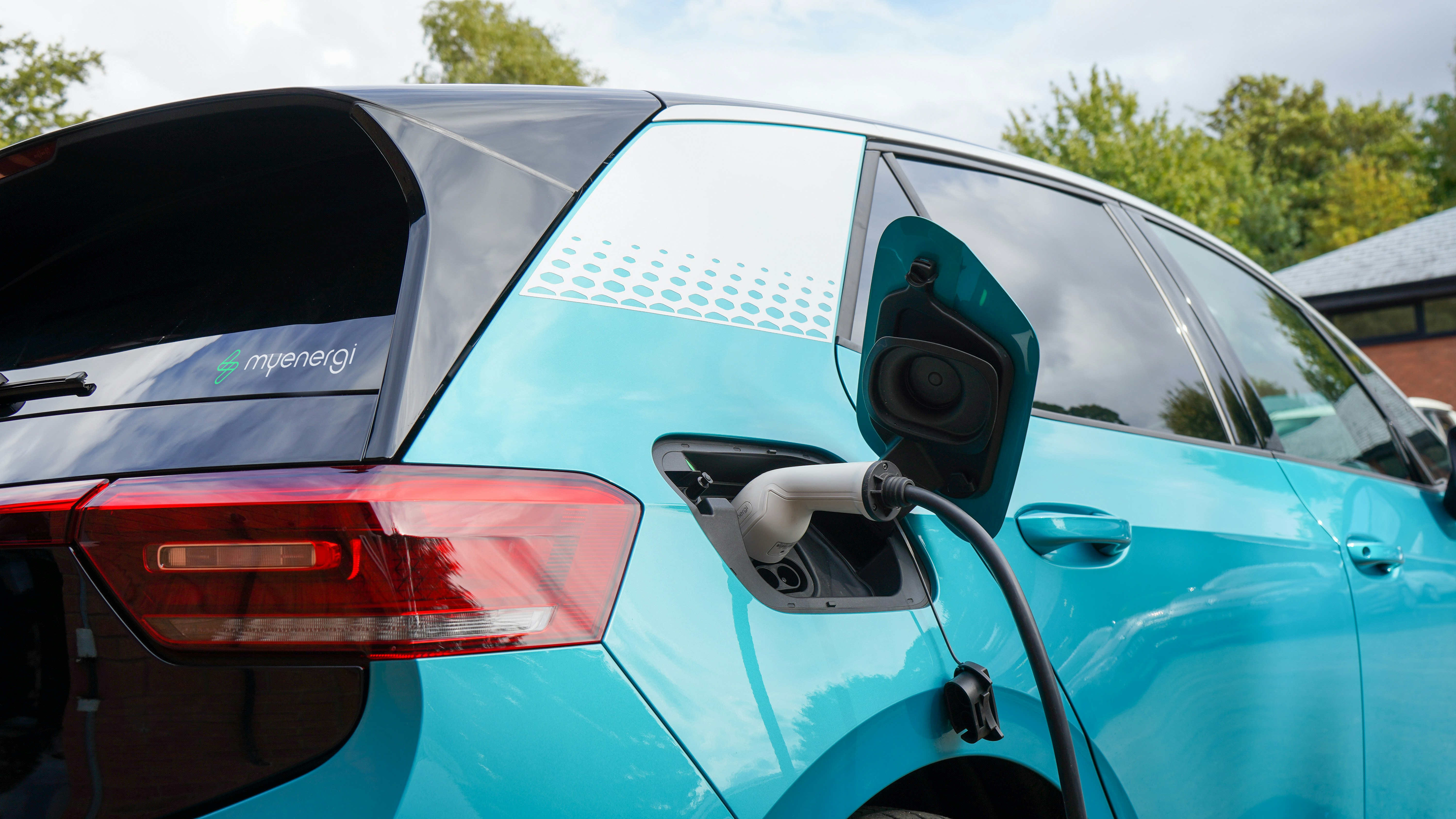
Image credit: Photo by myenergi on Unsplash
If you just bought an EV in Florida, the good news is there are no special insurance rules to learn: an electric car carries the exact same requirements as a gas one. What is different is the price, roughly 42% higher, and a handful of coverage decisions that actually matter for a battery-powered car. This is the complete picture: precisely what Florida requires, where the EV registration-fee fight stands, why EVs cost more to insure, what to look for in an insurer, and the coverage worth adding.
The requirements: same as any Florida car
To register and drive an EV in Florida, you need the same minimum as any four-wheel vehicle: $10,000 in Personal Injury Protection (PIP) and $10,000 in Property Damage Liability (PDL), from a Florida-licensed insurer, kept continuously in force (FLHSMV). There is no electric-vehicle carve-out, no special filing, and no extra mandated coverage. Legally, an EV is just a car.
The EV registration fee: proposed, not passed
Here is the part that confuses EV owners, because it is genuinely in flux. Because EV drivers buy little or no gasoline, they pay little or no gas tax, which funds roads. To recover that, Florida lawmakers have repeatedly floated a special annual registration fee for electric vehicles, commonly around $200 a year, plus smaller fees for plug-in hybrids. But those bills keep failing: the most recent, SB 804, died in a Senate committee in 2026. As of now, Florida has not enacted a standalone EV registration fee, though the idea is likely to return.
Why EVs cost more to insure
The requirement is the same, but the premium is not. EVs run meaningfully more than comparable gas cars, about 42% more on average per Insurify, and the reasons are specific:
- Expensive battery packs. A damaged battery is the priciest part of an EV claim, and serious battery damage can total the car.
- Battery damage is hard to assess, so insurers often total an EV rather than risk an uncertain pack, even after a modest crash.
- Specialized parts and fewer certified shops, which raise repair costs.
- Higher sticker prices on many EVs, so collision and comprehensive claims cost more to pay.
What to look for in an EV insurer
- Experience with EV claims and access to certified EV repair shops, so a battery or high-voltage repair is not a guessing game.
- Clear battery-damage coverage, ideally spelled out rather than assumed.
- EV or green discounts, which some insurers offer specifically for electric and hybrid vehicles.
- Competitive pricing on your exact model, since the spread between insurers is wide on EVs.
Automaker insurance is worth a quote
Some EV makers, most notably Tesla, sell their own insurance, and because they know their cars and repair networks intimately, it can sometimes undercut traditional carriers on those specific models. Teslas are among the most expensive EVs to insure (all five Tesla models top $2,800 a year for full coverage), so quoting Tesla Insurance alongside mainstream carriers is worth the few minutes. It is not automatically cheaper, and it is not available for every make, but it belongs on your shortlist.
Coverage worth adding on an EV
- Collision and comprehensive, to protect the expensive vehicle and its battery against crashes, theft, and weather.
- Gap insurance if you financed or leased, since some EVs depreciate quickly and a total loss can leave a balance.
- Higher liability limits than the state minimum, which is thin protection on any modern car.
- Uninsured/underinsured motorist, important anywhere but especially in Florida, where roughly one in five drivers is uninsured.
Don't forget the charging setup
Two things EV owners often miss at claim time. A home charging station is usually covered under your homeowners or renters policy rather than your auto policy, so confirm it is protected against theft and damage. And portable charging equipment kept in the car may fall under different coverage than the vehicle itself. Ask your insurer exactly where each piece sits before you need to file, so a stolen charger or a damaged wall unit does not become an unpleasant surprise.
Frequently asked questions
Does Florida have special insurance requirements for EVs?
Does Florida charge an extra registration fee for EVs?
Why is EV insurance more expensive?
Is Tesla's own insurance cheaper?
What coverage should I add to an EV?
Insuring an EV in Florida is legally no different from insuring a gas car; the requirement is the same $10,000 PIP and PDL, and there is no special EV fee yet. The real differences are cost, driven by batteries and repairs, and a few coverage choices. Carry full coverage to protect the vehicle, ask how the battery is handled and where your charger is insured, quote the automaker's own policy, and shop widely, because the premium gap between insurers is even larger on an EV than on a gas car.
Last updated: Sep 28, 2026
We cite Florida statutes, the FLHSMV, and industry bodies like the Insurance Information Institute. How we research and maintain these guides. Spotted an error? Tell us.
About the author
Eddie Ezekiel
Eddie Ezekiel is a product and data specialist who builds digital tools for the insurance industry, including the website of Golden Eagle, an established insurance and financial-services firm. He founded FloRider to translate Florida's confusing car-insurance rules into plain English, with every claim traced back to primary sources like the FLHSMV.
Related reads

The 5-Year True Cost of Owning a Car in Florida
A car costs far more than its sticker price. Over five years in Florida, insurance is nearly the single biggest cost of ownership, rivaling depreciation. We break down where the money actually goes, and the one big cost you can actually cut.
The Cheapest and Most Expensive Cars to Insure in Florida
The car you choose can quadruple your insurance bill. We show the cheapest and most expensive vehicles to insure, with cited 2025 numbers, why the gap is so wide, and how much extra Florida drivers pay on top.
The Real Cost of Driving Uninsured in Florida
Skipping car insurance in Florida to save money is a trap. Getting caught suspends your license and triggers an expensive FR-44; crashing uninsured adds personal liability and a lawsuit. We add up what it really costs, both ways.