Insurance Requirements for Electric Vehicles in Florida
Expecting special insurance rules for your EV in Florida? There aren't any. An electric car has the exact same requirements as a gas one. What's different is the price. Here's what Florida requires and why EVs cost more.

Eddie Ezekiel
Published Apr 7, 2026 · 3 min read
Updated Jun 22, 2026
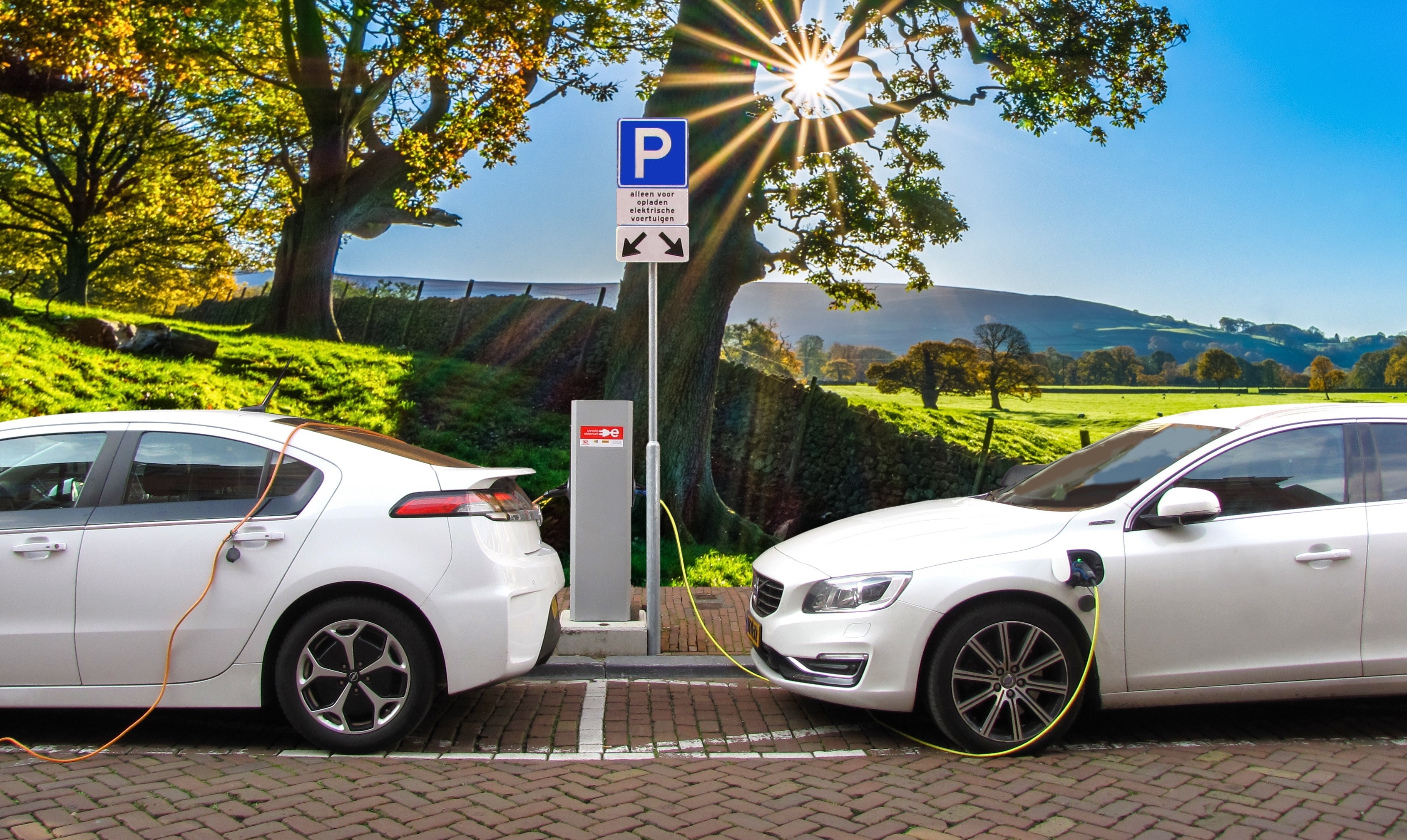
Image credit: Image by (Joenomias) Menno de Jong from Pixabay
If you just bought an EV in Florida and expected a special set of insurance rules, here's the short version: there aren't any. An electric car carries the exact same insurance requirements as a gas one. What's different is the price, and why. Here's what Florida requires for an EV, what actually drives the cost, and the coverage decisions that matter most on an electric car.
The requirements: identical to any Florida car
To register and drive an EV in Florida, you need the same minimum as any four-wheel vehicle: $10,000 in Personal Injury Protection and $10,000 in Property Damage Liability, from a Florida-licensed insurer, kept continuous (FLHSMV). There's no EV-specific minimum, surcharge, or special policy type required by law.
Why EVs cost more to insure
- Expensive battery packs. A damaged battery is costly, and serious battery damage can total the car.
- Specialized parts and fewer certified shops, which raises repair costs and times.
- Higher purchase value, so collision and comprehensive payouts run higher.
- Performance and weight. Quick acceleration and heavier bodies can mean more or costlier claims on some models.
How much more varies a lot by model and insurer, but EVs generally land above a comparable gas car, with the battery and repair network doing most of the work. The gap has been narrowing as more shops get certified, but it's still real, which is exactly why shopping widely matters.
Coverage worth getting on an EV
- Collision and comprehensive, to protect the expensive vehicle and its battery.
- Gap insurance if you financed or leased, since some EVs depreciate quickly.
- Uninsured/underinsured motorist and MedPay, just as you would on any Florida car.
- A clear understanding of how the policy treats battery damage, ideally at replacement value.
Don't forget the charging setup
Two things people overlook. A home charging station is often covered under your homeowners or renters policy rather than your auto policy, so check it's protected against theft or damage. And a portable charging cable can be expensive to replace, so confirm whether it's covered if stolen from the car. Neither is huge, but both surprise EV owners at claim time.
Automaker insurance is worth a quote
Some EV makers, most notably Tesla, sell their own insurance, and because they know their cars and repair networks intimately, it can sometimes undercut traditional carriers on those specific models. It isn't automatically cheaper, and availability varies, but if you drive an EV from a brand that offers insurance, add it to your list of quotes alongside the regular insurers rather than assuming either side wins.
Frequently asked questions
Does an EV need special insurance in Florida?
Why is EV insurance more expensive?
Is my home charger covered by car insurance?
Do I need full coverage on an EV?
Is there an EV insurance discount?
The bottom line
Insuring an EV in Florida is legally no different from insuring a gas car; the requirement is the same $10,000 PIP and PDL. The real difference is cost, driven by batteries and repairs. Carry full coverage to protect the vehicle, confirm battery and charger coverage, ask about EV discounts, and compare widely. For help choosing a company, see our guide to the best insurance for EV drivers.
Last updated: Jun 22, 2026
Sources & references
We cite Florida statutes, the FLHSMV, and industry bodies like the Insurance Information Institute. How we research and maintain these guides. Spotted an error? Tell us.
About the author
Eddie Ezekiel
Tech enthusiast who has been helping digitize insurance information. From insurance websites to information drives and sales pitch engineering, I've been around the insurance space for the last 7 years in some capacity.
Related reads

What Happens If You Get in an Accident Without Insurance in Florida
Crashing without insurance in Florida sets off a chain of consequences: a suspended license, out-of-pocket bills, personal lawsuit exposure, and years of extra requirements. Here's exactly what happens and how to dig out.

Car Insurance Requirements for Dealership Test Drives
Do you need your own insurance to test drive a car at a Florida dealership? Usually not, because the dealer's policy covers it. But a private-party test drive is a different story. Here's who's actually covered when you take the wheel.

Can You Register a Car in Florida Without a License?
Yes, you can register a car in Florida without a driver license. What you can't skip is the insurance. Here's exactly what Florida requires, the insurance catch that trips people up, and why registering isn't the same as being allowed to drive.