
Insurance Moves to Make Before Hurricane Season Ends
Florida's hurricane season runs through November, and there's a catch most drivers miss: once a storm is named, insurers stop letting you add coverage. We cover exactly what to do now, while you still can, with the storm data behind it.

Eddie Ezekiel
Published Aug 21, 2026 · 4 min read
Updated Sep 16, 2026

Image credit: Photo by Guilherme Christmann on Pexels
Florida's hurricane season runs through the end of November, and here is the catch most drivers do not learn until it is too late: the moment a storm is named and headed your way, insurers commonly stop letting you add or change coverage in the affected area. Whatever protection you have when the cone appears is the protection you keep. The good news is that every move that matters can be made in a quiet week. Below, we walk through exactly what to do now, and the storm data that shows why it matters.
1. Confirm you actually have comprehensive
This is the whole ballgame. Florida's required PIP and PDL do nothing for storm damage to your own car, and neither does liability. Comprehensive coverage is the piece that pays for hurricane, flood, hail, wind, and falling-object damage to your vehicle. If it is not on your policy, your car has no storm protection at all. The scale of the risk is not hypothetical: per the NICB, Hurricane Ian alone produced 151,892 personal auto claims in Florida.
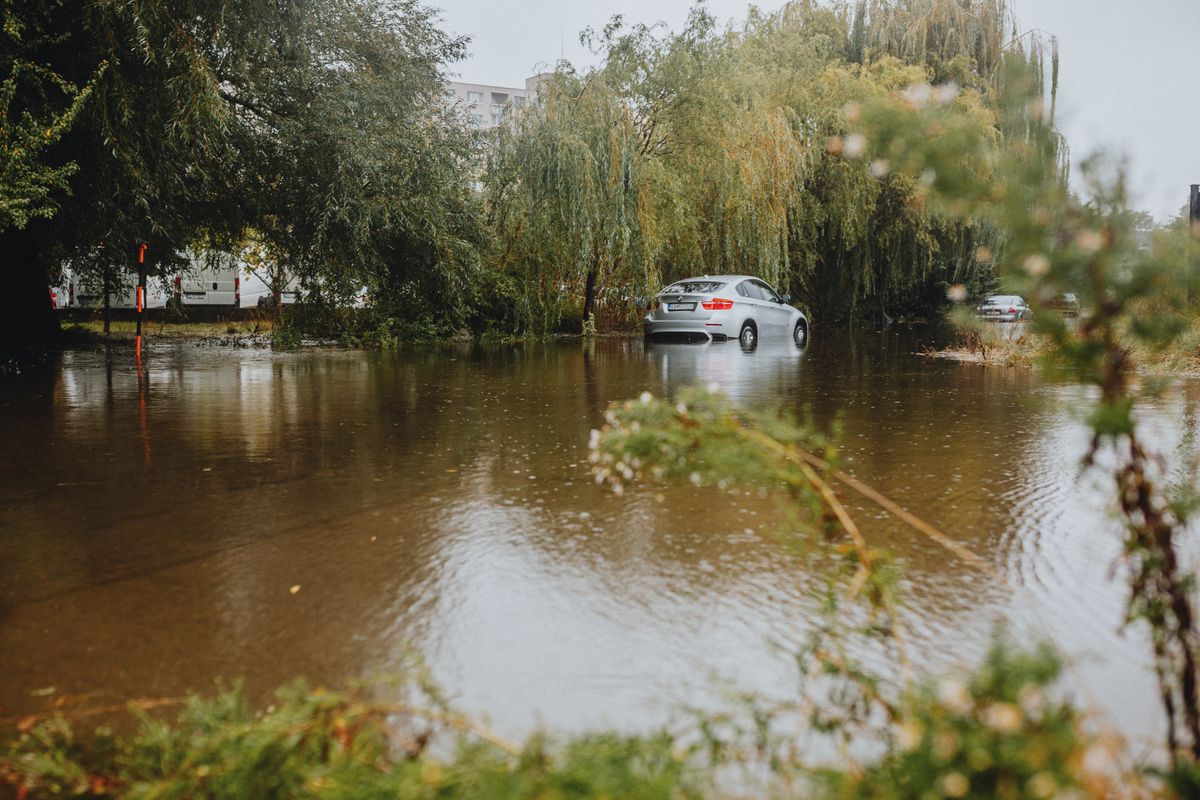
Image credit: Photo by Helena Jankovičová Kováčová on Pexels
2. Understand the flood-damage rule
One part surprises people: flood damage to your car is covered by your comprehensive auto coverage, not by a separate flood policy. That is the opposite of your home, where flooding needs its own insurance. So if you have comprehensive, a flooded engine or a waterlogged interior is a covered loss. If you do not, there is no separate 'car flood insurance' to fall back on. Comprehensive is it.
3. Check your deductible now, not later
Your comprehensive deductible is what you pay out of pocket before the insurer pays on a storm claim. Know that number now so it is not a surprise when you are already dealing with a damaged car. If it is higher than you remember, or higher than you can comfortably cover, a quiet week before a storm is exactly the time to adjust it. Once a storm is named, that option is gone until it passes.
4. Document your car while it's intact
- Photograph your car from several angles, inside and out, and save the images somewhere safe (cloud storage, not just the car).
- Note the mileage and condition, which helps establish value if you need to claim a total loss.
- Keep your policy and insurer's claim number handy, ideally on your phone, before you might lose power.
- Record any existing damage so a storm claim is not disputed over pre-existing dents.
5. Move your car ahead of the storm
If a storm is coming and your coverage is already in place, the last free protection is physical. Move the car to higher ground, a garage, or a parking structure, away from trees and low-lying areas that flood. A car you relocate before the surge is a claim you may never have to file, and it costs nothing but a little foresight.
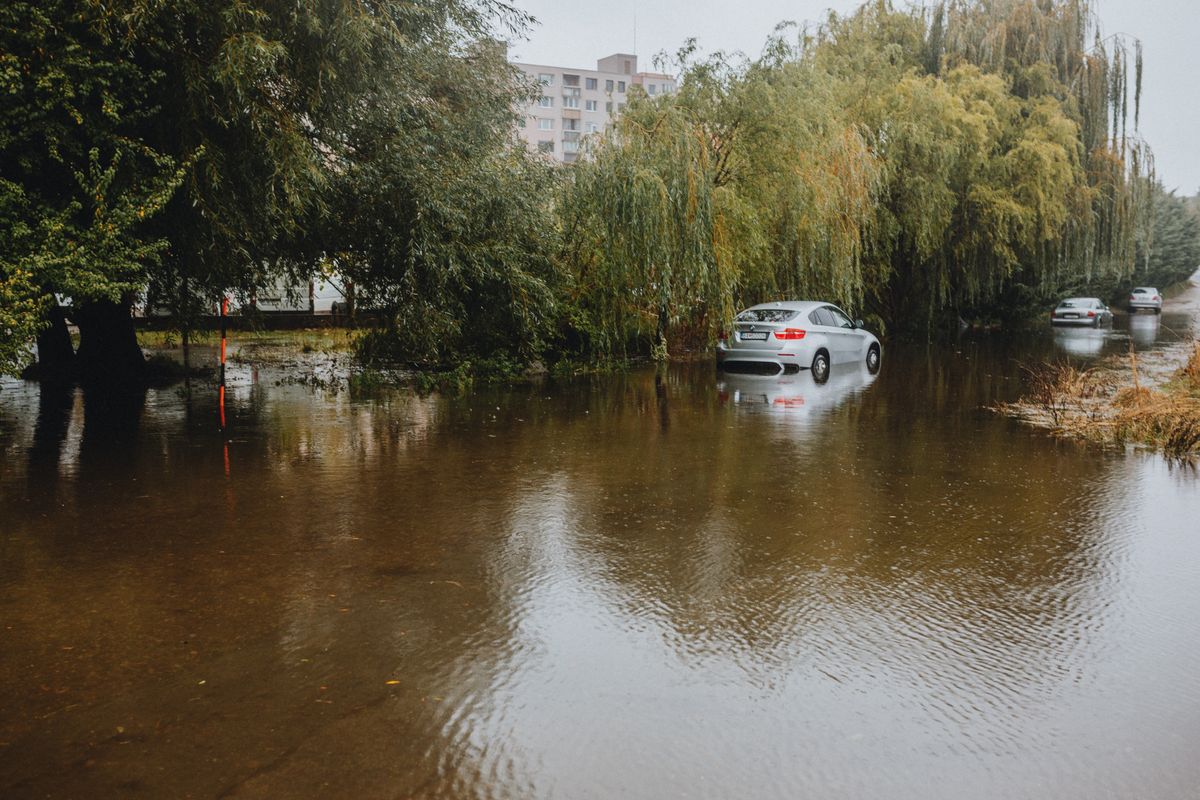
Image credit: Photo by Helena Jankovičová Kováčová on Pexels
The moves, at a glance
| Move | When | Why |
|---|---|---|
| Confirm comprehensive is on your policy | During a lull | It is your only storm and flood protection |
| Review your deductible | During a lull | Know or lower what you'll pay out of pocket |
| Photograph and document the car | Anytime, before a storm | Speeds and protects a claim |
| Relocate the car to safe ground | As a storm approaches | Prevents the loss entirely |
Frequently asked questions
Can I add coverage right before a hurricane in Florida?
Does car insurance cover hurricane and flood damage?
What should I do before hurricane season?
Is flood damage to my car covered by home flood insurance?
Hurricane season does not end until late November, and the drivers who come through it well are the ones who prepared during the quiet weeks. Confirm you have comprehensive, understand that it is your only flood protection, know your deductible, document the car, and have a plan to move it. Every one of those is free or cheap, and none of them can be done once a storm is named. A little foresight now is the difference between a covered claim and a total loss you pay for yourself.
Last updated: Sep 16, 2026
Sources & references
We cite Florida statutes, the FLHSMV, and industry bodies like the Insurance Information Institute. How we research and maintain these guides. Spotted an error? Tell us.
About the author
Eddie Ezekiel
Eddie Ezekiel is a product and data specialist who builds digital tools for the insurance industry, including the website of Golden Eagle, an established insurance and financial-services firm. He founded FloRider to translate Florida's confusing car-insurance rules into plain English, with every claim traced back to primary sources like the FLHSMV.
Related reads

The 5-Year True Cost of Owning a Car in Florida
A car costs far more than its sticker price. Over five years in Florida, insurance is nearly the single biggest cost of ownership, rivaling depreciation. We break down where the money actually goes, and the one big cost you can actually cut.
The Cheapest and Most Expensive Cars to Insure in Florida
The car you choose can quadruple your insurance bill. We show the cheapest and most expensive vehicles to insure, with cited 2025 numbers, why the gap is so wide, and how much extra Florida drivers pay on top.

The Real Cost of Driving Uninsured in Florida
Skipping car insurance in Florida to save money is a trap. Getting caught suspends your license and triggers an expensive FR-44; crashing uninsured adds personal liability and a lawsuit. We add up what it really costs, both ways.