Do You Need Car Insurance in Florida if You Don't Drive Much?
If your car barely leaves the driveway, you might wonder whether Florida still makes you insure it. The short answer: if it's registered with a plate, yes. We cover the rule, the penalties for dropping coverage, and the cheaper options if you only drive a little.

Eddie Ezekiel
Published Jun 22, 2026 · 4 min read
Updated Sep 17, 2026
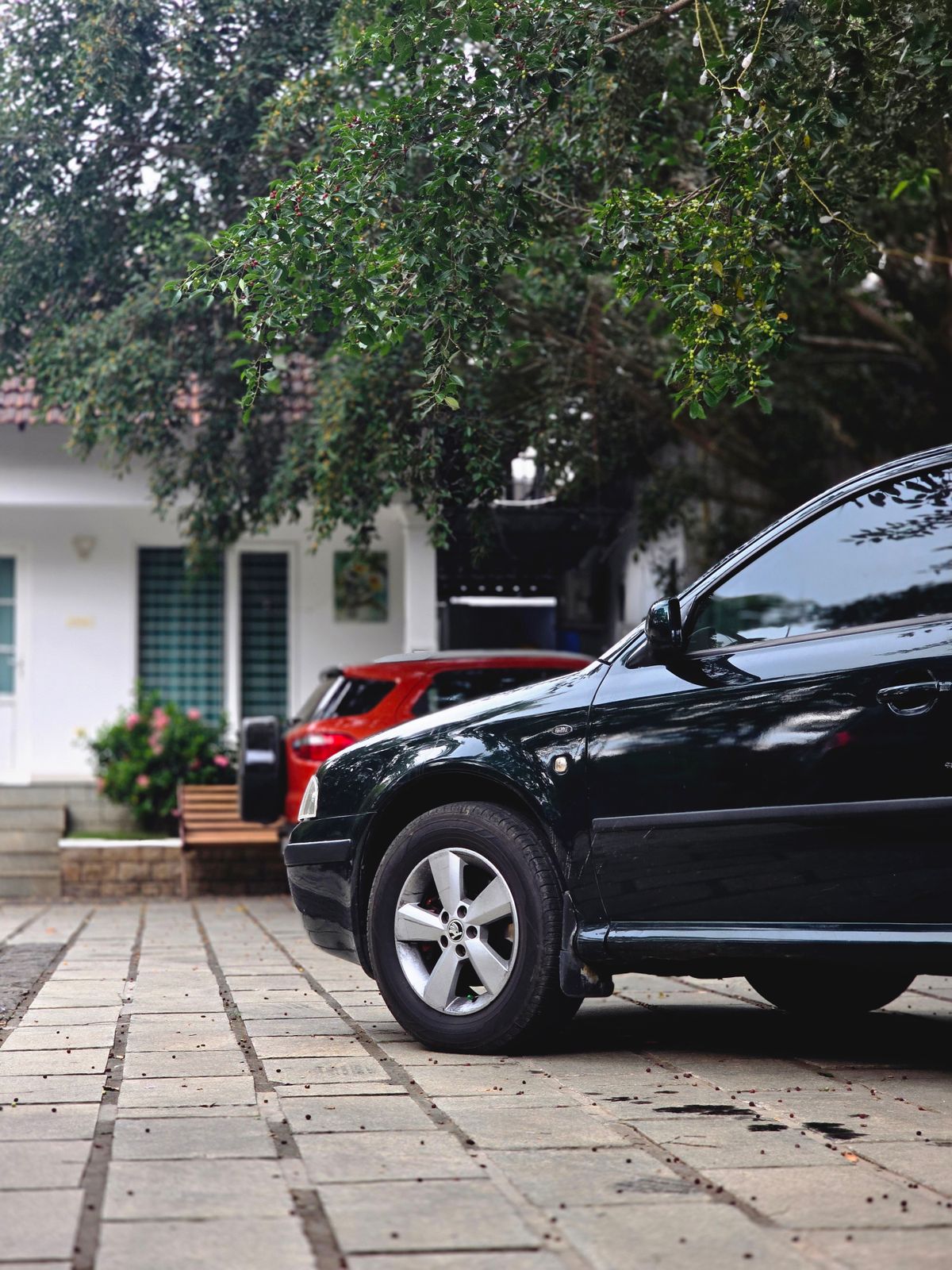
Image credit: Photo by FX Ambro on Pexels
Maybe you work from home now, you are a snowbird who is gone half the year, or you have a second car that mostly sits in the driveway. It is a fair question: if you barely drive, does Florida still make you pay to insure the car? The short answer is yes, as long as it is registered with a plate. But there are real options if the car only moves occasionally. Below, we cover the rule, the penalties for dropping coverage the wrong way, and the cheaper paths for a car that rarely leaves home.
The rule: it's about your plate, not your mileage
Florida does not care how many miles you drive. It cares whether your vehicle has an active registration and license plate. Any car registered in Florida must carry at least $10,000 in Personal Injury Protection (PIP) and $10,000 in Property Damage Liability (PDL), continuously, from a Florida-licensed insurer, regardless of how little it moves.
What happens if you drop coverage while it's registered
This is where people get burned. Florida insurers report lapses directly to the state, so dropping your policy on a plated car does not go unnoticed. If you let coverage lapse without first surrendering the plate, the FLHSMV can suspend your license, registration, and plates, and reinstating means a fee of $150 to $500 depending on how many times it has happened, plus a possible FR-44. A car that sits is not a car the state stops watching.
Your options if the car barely moves
You cannot legally keep a plated car uninsured, but you do have cheaper ways to handle a low-mileage vehicle:
| Option | What it does | The catch |
|---|---|---|
| Keep minimum + low-mileage discount | Insure it, but tell the insurer your true low mileage | Still pay for PIP and PDL, just less |
| Pay-per-mile / usage-based | Charges partly by the mile, good for very low use | Not offered by every insurer; confirm availability |
| Surrender the plate | Return the tag, then you can legally drop coverage | You cannot drive it until you re-register and insure it |
| Sell or store off-road | Removes the obligation entirely | Requires actually taking it off the road and out of registration |
The snowbird case
Part-year residents often ask whether they can drop coverage while they are away. If the car stays registered and plated in Florida, no; the requirement continues even while you are gone. If you leave the car behind unused for months, keeping at least comprehensive can protect it from theft and storm damage while you are away, and you should not simply cancel and hope. If you take the car with you or take it off the road, surrender the Florida plate first.
Frequently asked questions
Do I need insurance in Florida if I barely drive?
Can I drop insurance on a car that just sits?
What are the penalties for letting a parked car's insurance lapse?
How can I lower insurance on a car I rarely drive?
In Florida, insurance follows the plate, not the odometer. A car that barely moves still needs $10,000 PIP and $10,000 PDL as long as it is registered, and dropping coverage without surrendering the tag invites a suspension and $150 to $500 in fees. If you are keeping the car, report your real low mileage and price pay-per-mile options to trim the bill. If you truly are not driving it, surrender the plate and drop the coverage the right way. Either path is fine; quietly going uninsured on a plated car is the one that costs you.
Last updated: Sep 17, 2026
We cite Florida statutes, the FLHSMV, and industry bodies like the Insurance Information Institute. How we research and maintain these guides. Spotted an error? Tell us.
About the author
Eddie Ezekiel
Eddie Ezekiel is a product and data specialist who builds digital tools for the insurance industry, including the website of Golden Eagle, an established insurance and financial-services firm. He founded FloRider to translate Florida's confusing car-insurance rules into plain English, with every claim traced back to primary sources like the FLHSMV.
Related reads

The 5-Year True Cost of Owning a Car in Florida
A car costs far more than its sticker price. Over five years in Florida, insurance is nearly the single biggest cost of ownership, rivaling depreciation. We break down where the money actually goes, and the one big cost you can actually cut.

The Cheapest and Most Expensive Cars to Insure in Florida
The car you choose can quadruple your insurance bill. We show the cheapest and most expensive vehicles to insure, with cited 2025 numbers, why the gap is so wide, and how much extra Florida drivers pay on top.

The Real Cost of Driving Uninsured in Florida
Skipping car insurance in Florida to save money is a trap. Getting caught suspends your license and triggers an expensive FR-44; crashing uninsured adds personal liability and a lawsuit. We add up what it really costs, both ways.