
How Total Loss Is Calculated in Florida
In Florida, your car is 'totaled' the moment repair and salvage costs hit 80% of its value. What the insurer pays next, the Actual Cash Value, is where drivers lose money. We cover how it's calculated, how to dispute a low offer, and what else you're owed.

Eddie Ezekiel
Published Dec 11, 2025 · 4 min read
Updated Aug 26, 2026
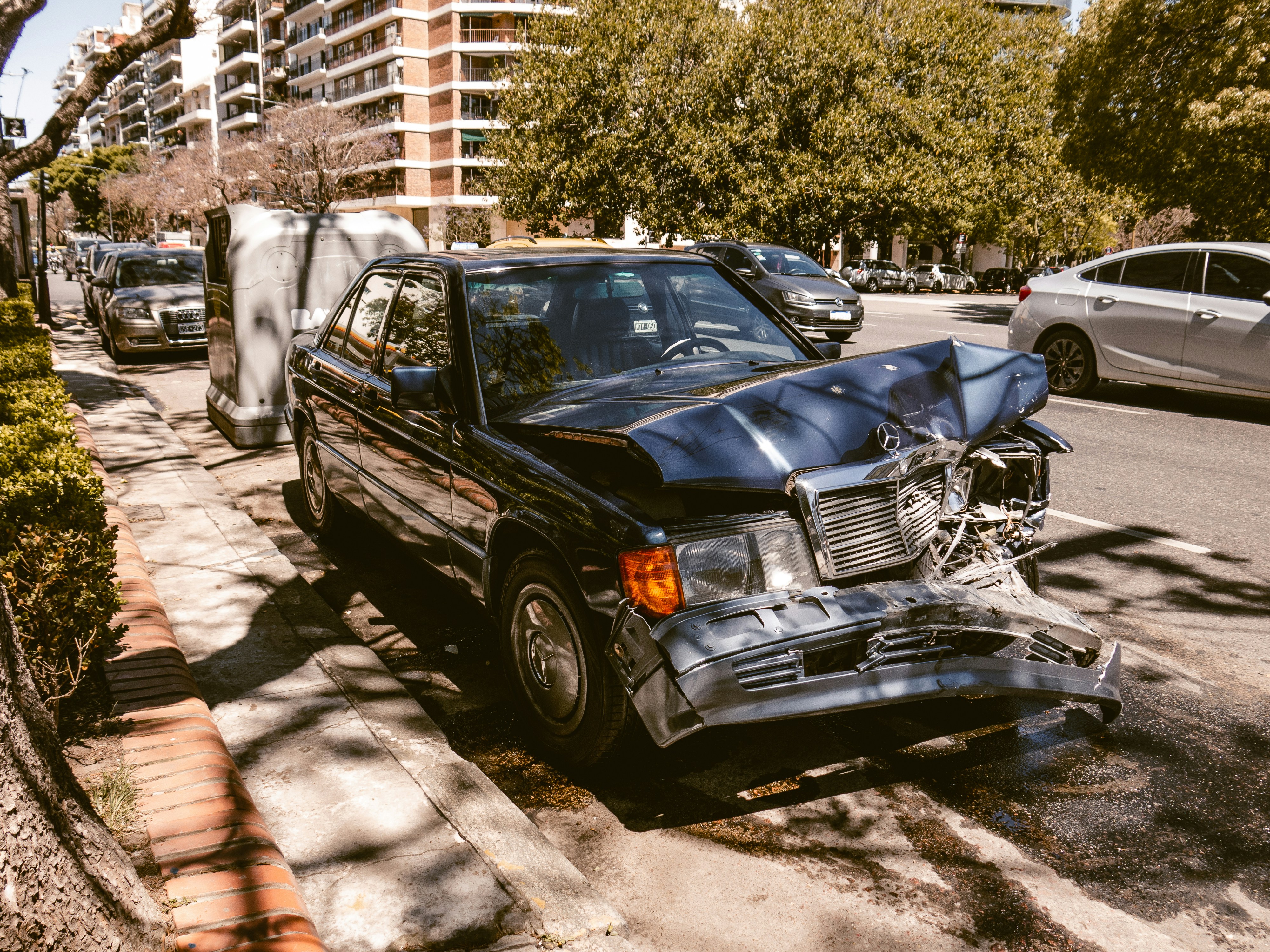
Image credit: Photo by Odinei Ramone on Unsplash
After a bad crash, the call nobody wants is not 'your car is damaged.' It is 'your car is a total loss.' In Florida, whether your car gets totaled comes down to one number, the 80% rule, and what the insurer pays you afterward comes down to another, the Actual Cash Value. Both are where drivers quietly lose money. Below, we cover exactly how each is calculated, how to push back on a low offer, and the payments people forget to claim.
Florida's 80% rule
Florida uses a statutory total-loss threshold. Under Florida Statute 319.30, if the cost to repair the car plus its salvage value reaches 80% of what the car was worth, the insurer must declare it a total loss rather than repair it. It is not the insurer's discretion; once the math crosses 80%, the car is totaled.
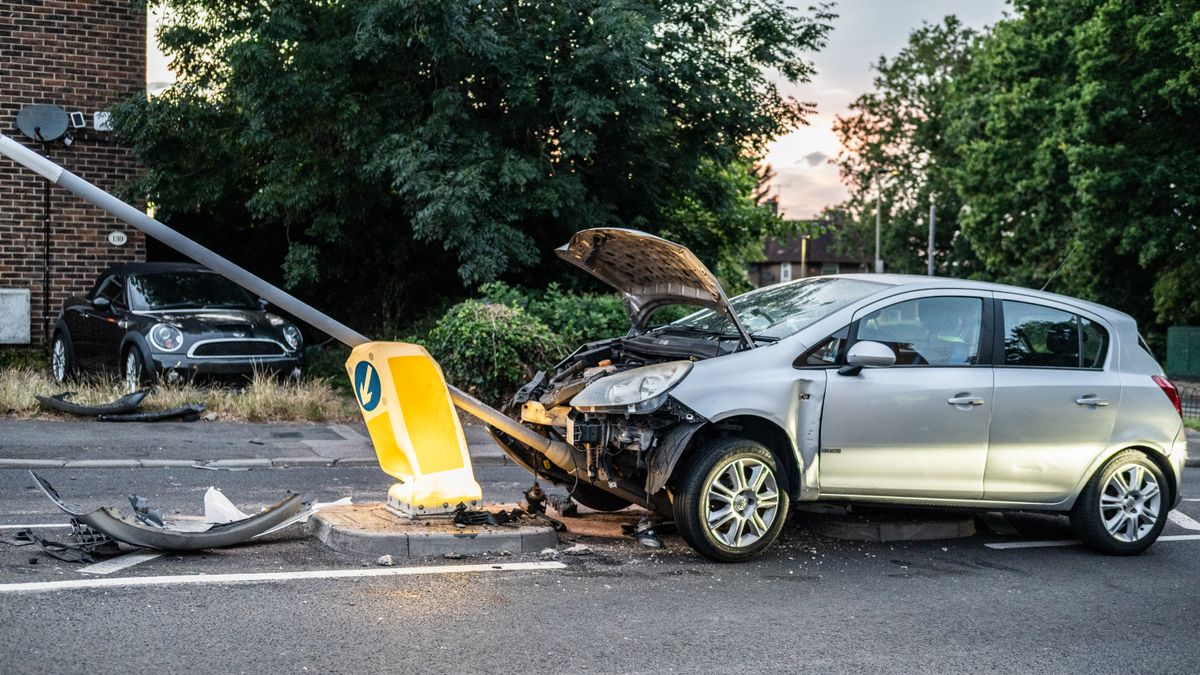
Image credit: Photo by Boost Media-Marketing on Pexels
A quick worked example
Say your car's Actual Cash Value is $20,000. If the estimated repair cost plus salvage value reaches $16,000 (which is 80% of $20,000) or more, the insurer must total it instead of fixing it. Below that line, they repair it; at or above it, they cut you a check for the ACV and take the car (unless you keep the salvage).
How they decide what you get: Actual Cash Value
Once a car is totaled, the insurer owes you its Actual Cash Value: the market value of your specific car the moment before the crash, minus your deductible. Note what ACV is not. It is not what you paid, and it is not what a new replacement costs. Insurers build the number from:
- Comparable vehicles of the same year, make, model, and trim recently sold or listed near you.
- Mileage, adjusted up or down from those comparables.
- Condition and options, from tires and interior to trim packages.
- Local market, since the same car is worth different amounts in different regions.

Image credit: Photo by Vladyslav Huivyk on Pexels
If the offer feels low
- Ask for the valuation report the insurer used, and check the comparable vehicles it cites for wrong mileage, missing options, or cars from far away.
- Pull your own comps: local listings for the same year, make, model, and trim, ideally with similar mileage.
- Invoke the appraisal clause in your policy if you cannot agree, which brings in independent appraisers to settle the value.
- Document condition with maintenance records, new tires, or recent repairs that raise your car's value above the baseline.
Payments people forget to claim
- Sales tax and title/registration fees on a replacement vehicle are often owed on top of ACV in Florida.
- Gap coverage pays the difference if you owe more on your loan or lease than the car's ACV.
- Any prepaid, unused coverage or add-ons may be refundable.
- Personal items damaged in the car may fall under other coverage, though not the auto total-loss payout itself.
Totaled vs repaired: diminished value
If your car is repaired rather than totaled, it is worth less afterward simply because it now has an accident on its record. When another driver was at fault, Florida lets you pursue a diminished-value claim against their insurer for that lost resale value. It is a separate claim from the repair itself, and it is easy to overlook.
Frequently asked questions
When is a car considered totaled in Florida?
How is the payout for a totaled car calculated?
Can I dispute a low total-loss offer?
What am I owed besides the car's value?
Florida's 80% rule decides whether your car is totaled; ACV decides what you are paid. Do not treat the first offer as final. Pull comparable listings, use the appraisal clause if needed, claim your tax and fees, and lean on gap coverage if you owe more than the car is worth. The difference between accepting the opening number and pushing back with evidence is often thousands of dollars.
Last updated: Aug 26, 2026
Sources & references
We cite Florida statutes, the FLHSMV, and industry bodies like the Insurance Information Institute. How we research and maintain these guides. Spotted an error? Tell us.
About the author
Eddie Ezekiel
Eddie Ezekiel is a product and data specialist who builds digital tools for the insurance industry, including the website of Golden Eagle, an established insurance and financial-services firm. He founded FloRider to translate Florida's confusing car-insurance rules into plain English, with every claim traced back to primary sources like the FLHSMV.
Related reads

The 5-Year True Cost of Owning a Car in Florida
A car costs far more than its sticker price. Over five years in Florida, insurance is nearly the single biggest cost of ownership, rivaling depreciation. We break down where the money actually goes, and the one big cost you can actually cut.

The Cheapest and Most Expensive Cars to Insure in Florida
The car you choose can quadruple your insurance bill. We show the cheapest and most expensive vehicles to insure, with cited 2025 numbers, why the gap is so wide, and how much extra Florida drivers pay on top.
The Real Cost of Driving Uninsured in Florida
Skipping car insurance in Florida to save money is a trap. Getting caught suspends your license and triggers an expensive FR-44; crashing uninsured adds personal liability and a lawsuit. We add up what it really costs, both ways.